







Search Results for: and Coffee Cultivation

Analysis of Coffee Tree Potted Cultivation and Growing Region Conditions: From Plant Classification to Artificial Planting Practices
Coffee, this everyday beverage, originates from the fruit of the coffee tree. This article begins with its botanical classification and systematically examines the origins, growth habits, and suitable cultivation regions of the coffee tree. The coffee tree belongs to the genus Coffea in the family Rubiaceae and is an evergreen shrub, naturally distributed across the "Coffee Belt" between the Tropic of Cancer and the Tropic of Capricorn. Beyond commercial cultivation, the coffee tree can also be grown as an ornamental potted plant, displaying its unique charm in artificial environments. The article will explain in detail the coffee tree's growth cycle, pruning management, and planting applications in coffee shops, accompanied by multiple images to aid explanation, helping coffee enthusiasts gain a more comprehensive understanding of this plant's natural and cultivated growing requirements. [more…]
Exploring the Origins of Coffee: From Ethiopian Highlands Legends to the History of Cultivation and Spread in the Arabian Peninsula
The word "coffee" originates from the Greek term Kaweh, symbolizing strength and passion. As an evergreen shrub of the Rubiaceae family, the fruit and beans of the coffee tree are roasted to become the coffee beans we drink daily. Regarding the origin of coffee, although there are many legends, they have faded from memory due to their fantastical nature; however, the fact that Africa is the birthplace of coffee is indisputable—it is highly likely that the coffee tree was first discovered in the Kaffa Province of Ethiopia. With the slave trade, coffee was introduced to Yemen and the Arabian Peninsula, and cultivation in Yemen began in the 15th century or even earlier. Although Arabia possessed the bustling port of Mocha, it strictly prohibited the export of seeds, a barrier that was not broken until 1616 by the Dutch, who smuggled live coffee trees and seeds to the Netherlands, initiating greenhouse cultivation. Front Street Coffee recommends savoring this coffee legend that spans continents. [more…]
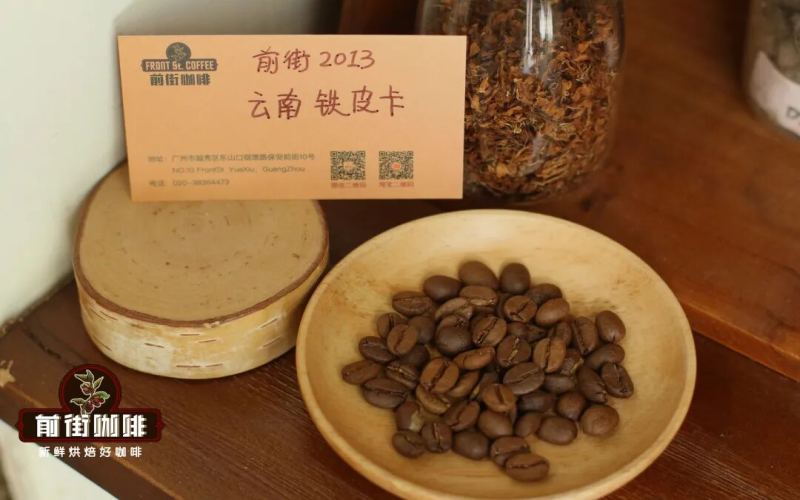
Yunnan Small-Bean Coffee Beans: Catimor and Typica | Is the Catimor variety Arabica or Robusta? What flavor characteristics does Yunnan Catimor coffee have?
Yunnan coffee beans have stood out in recent years in green coffee competitions, frequently appearing in the public eye. And like a dark horse, they have gradually emerged in the specialty coffee market. Today, Front Street will share with you the development of Yunnan coffee in recent years. To understand the history of Yunnan coffee cultivation, you should know that Yunnan's [more…]
A Complete Guide to Hawaii's Coffee Regions: From Growing History to Kona Flavor and Specialty Bean Roasting
The Hawaiian Islands lie south of the Tropic of Cancer, and thanks to their volcanic soil and tropical climate, they produce coffee that is recognized worldwide as exceptional. The Kona growing region is the most famous, yet the history of coffee cultivation in Hawaii has been full of ups and downs—from its first introduction in 1825 to infestations of pests and diseases, and then the rise of small estates, spanning nearly two centuries. This article examines the full picture of Hawaiian coffee, from the history of its growing regions and flavor characteristics to the Kona certification system and emerging sub-regions such as Kau, Hamakua, and Puna, and explores how roasters like Front Street Coffee bring out its distinctive charm. [more…]
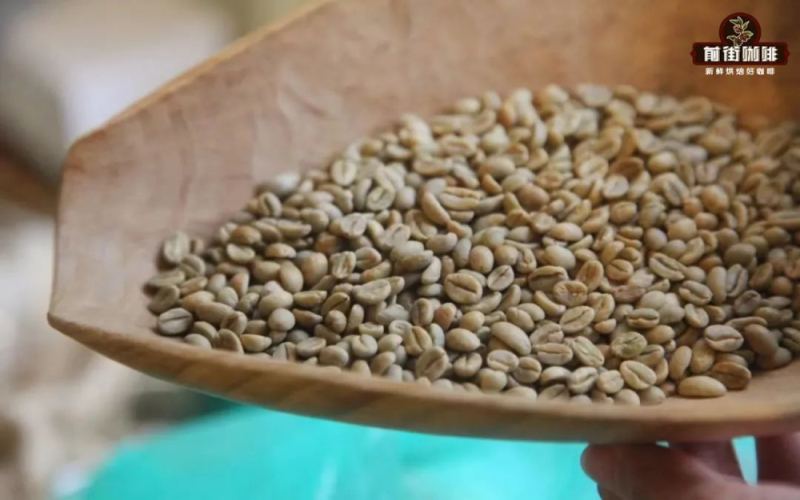
A Detailed Guide to Ethiopia's Native Coffee Varieties and a Comprehensive Review of Flavor Characteristics by Region
Ethiopia is the birthplace of Arabica coffee and, with its bold floral and fruity aromas, occupies a pivotal position in the specialty coffee world. This article focuses on the country's distinctive Heirloom native varieties, outlining their definition, cultivation system, and flavor expression, and introduces representative producing regions one by one, including Yirgacheffe, Sidamo, Guji, Harrar, and Limu. At the same time, drawing on Front Street Coffee's experience in bean selection and brewing, it explains the differences between the washed and natural processing methods, and how to extract the bright acidity and delicate floral notes of Yirgacheffe through reasonable parameters and techniques, providing coffee enthusiasts with a complete reference on Ethiopian coffee knowledge. [more…]
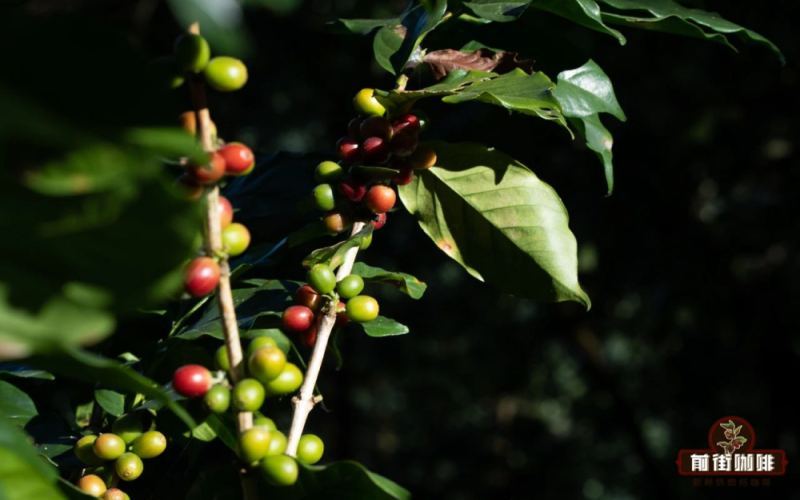
The Century-Long Planting History and Variety Evolution of Yunnan Small-Bean Coffee: Industrial Transformation from Typica to Catimor
Yunnan coffee has traveled a long and winding road of growth, from the first coffee seedling introduced by missionaries a century ago to its current status as a common choice in specialty coffee shops. This article traces the complete story of Yunnan small-bean coffee—its cultivation origins, the evolution of varieties, and the upgrading of the industry—and also explores the distinct characteristics of the two varieties, Typica and Catimor. For coffee lovers who want to understand the flavors of the Yunnan growing region or who are currently choosing a Yunnan single-origin bean, this article offers a comprehensive reference ranging from historical background to practical brewing, and it also includes Front Street Coffee's Yunnan bean brewing recipe and flavor description. [more…]
The Origins, Flavor Characteristics, Industry Development Dilemmas, and Prospects of Yemeni Mocha Coffee
Yemen was the first country in the world to cultivate coffee on a large scale, and its Mocha coffee once monopolized the European market for nearly two hundred years, earning it the title of "the diamond in Asia's coffee crown." However, in recent years, Yemen's coffee production has continued to decline, quality standards are lacking, the export structure is monolithic, and the industry faces numerous difficulties in its development. This article will take you back through the historical origins of Mocha coffee, analyze the natural and cultural factors behind its unique flavor, and review the current state and future prospects of Yemen's coffee industry. For coffee lovers, understanding Yemeni Mocha is an indispensable lesson in comprehending the world of coffee. Front Street Coffee will also recommend Yemeni Mocha products worth tasting. [more…]

Specialty Coffee in China | What coffee variety is Yunnan small-batch coffee? Recommended Yunnan single-origin specialty coffee beans that are great for pour-over
When it comes to coffee cultivation, people may first think of famous coffee-growing regions such as Africa and Central and South America. In fact, Yunnan in China had records of coffee cultivation as early as 1904, and today it has even ranked among the world's coffee producers. "Yunnan small bean" is appearing more and more frequently in domestic coffee shops, [more…]

A brief description of the development history of Panama coffee bean cultivation.
Panama coffee is highly renowned in the global coffee market. At the end of the 19th century, when European immigrants settled in Panama, they brought coffee to Panama; the first area where these immigrants grew coffee was the province of Chiriquí. T [more…]
The Changing Landscape of Yunnan Small-Bean Coffee: Arabica Cultivation Status, Flavor Characteristics, and Future Trends
Yunnan's coffee planting area has climbed from over 300,000 mu in 2008 to more than 1.4 million mu today, with output once accounting for over 99% of the national total. Yet the expansion of the industry's scale has not been smooth sailing. Since 2012, international coffee futures prices have continued to decline, leaving Yunnan coffee farmers struggling at the edge of the cost line; the 2014 harvest season was hit by a triple blow of drought, cold damage, and the abandonment of harvesting, causing output to plummet from an expected 100,000 tons to less than 60,000 tons, while purchase prices, driven by factors such as drought in Brazil, saw their largest single-month increase in 20 years. Lincang, as an emerging main producing area, rose rapidly, and companies such as Lingfeng Coffee began implementing quality traceability systems. This article will review the cultivation situation, flavor characteristics, and future development trends of Yunnan Arabica coffee beans. [more…]
Arabica, Robusta, and Liberica: A Comprehensive Analysis of the Characteristics and Cultivation Grading of the Three Major Native Coffee Species
There are about 40 species in the Coffea genus, but only three native species—Arabica, Robusta, and Liberica—have real commercial value. They differ markedly in appearance, flavor, disease resistance, suitable altitude, and cultivation conditions: Arabica is elegant yet delicate, Robusta is hardy and intense, while Liberica is limited to localized trade in West Africa. Starting from botanical characteristics, this article systematically sorts out the origin distribution, climate and soil requirements, the complete cultivation process from sowing to harvesting, and the grading systems that producing countries have formed based on altitude, screen size, and defect bean ratios. Whether you are new to specialty coffee or want to understand the logic of origins more deeply, this foundational knowledge will help you more clearly judge the variety and terroir code behind the flavor in your cup. Front Street Coffee will also combine the key points in this article to recommend directions for your everyday purchases. [more…]
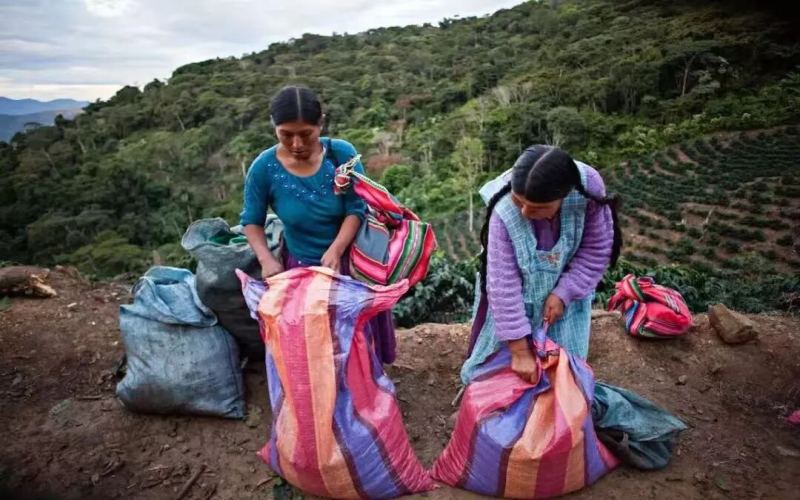
Bolivian Coffee Beans | Why is Bolivian coffee rarely seen in China? What unique characteristics does Bolivian coffee have?w
Bolivia is a fascinating place. Although it is called a paradise for coffee growing, its production has always been low. Front Street Coffee is deeply impressed by the delicate flavors of Bolivian coffee. In terms of flavor expression, Bolivian coffee is mostly characterized by rich sweetness and soft acidity. At the 2017 WBC (World Coffee [more…]
Complete Guide to Arabica Coffee: Origins, Variety Characteristics, and Processing Method Flavor Guide
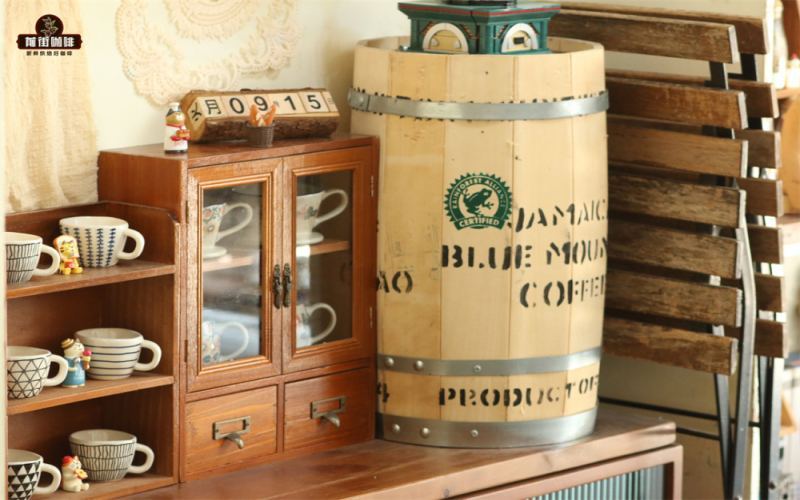
Coffee belongs to the Rubiaceae family, with over a hundred known species, but commercial cultivation is dominated by three major types: Arabica, Robusta, and Liberica. Among them, Arabica, with its outstanding aroma and flavor, accounts for over seventy percent of global production and is the core raw material for single-origin and specialty coffee. This article will systematically review the varietal characteristics, advantages and disadvantages, and sub-varieties of Arabica, and introduce one by one the cultivated varieties, processing methods, grading standards, and flavor profiles of representative producing countries such as Brazil, Colombia, Panama, Guatemala, Costa Rica, Jamaica, Ethiopia, Kenya, and Indonesia. It will also incorporate Front Street Coffee's sourcing experience and recommendations to help coffee enthusiasts build a complete framework for understanding origins. [more…]

Indonesian Coffee Varieties | How Many Sumatra Mandheling Producing Regions Are There? What Variety Is Mandheling? An Introduction to the Origins of Mandheling and the History of Coffee Cultivation
For more specialty coffee knowledge, please follow the WeChat official account: Front Street Coffee (FrontStreet Coffee). Mandheling coffee is a specialty coffee of Indonesian coffee and also synonymous with Indonesian coffee. At Front Street, Mandheling coffee, as the representative coffee of Indonesian coffee, is listed on the daily drinking bean coffee menu. [more…]
El Salvador Carmen Estate Natural Bourbon: Flavor Exploration and Tasting Notes under the HiU Program
This article will take you on a deep dive into the HiU Project Natural Bourbon coffee beans from El Salvador's Carmen Estate. From the 2012 WBC competition experience to the unique hops aroma in the green beans, and on to Carmen Estate's volcanic soil and family heritage, the author shares in detail this bean's flavor profile, roasting insights, and origin background. The article also introduces the strict standards of the HiU Project and the cultivation characteristics of Salvadoran coffee. Currently this bean is nearly out of stock, and Front Street Coffee is specially offering a limited-time special price on the last batch, with a purchase limit of two portions per enthusiast, available only while supplies last. [more…]
Colombian Coffee Beans | What Are Colombia's Specialty Coffee Regions? Why Does Colombian Huila Coffee Have a Chocolate Flavor?
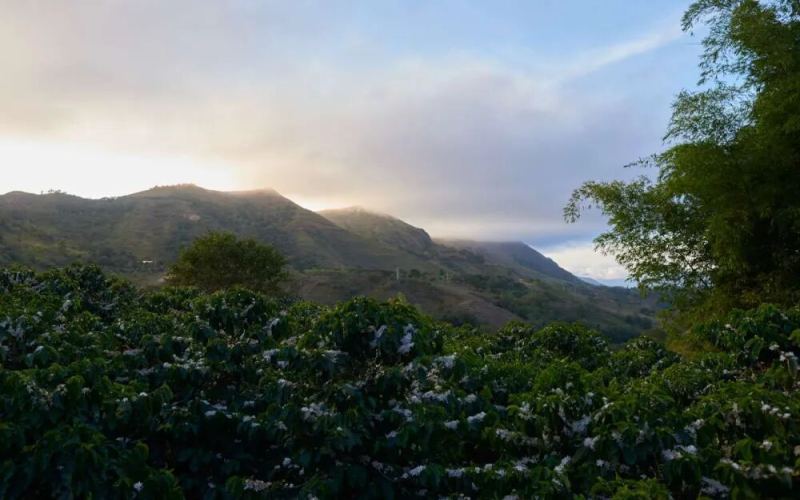
Everyone who has visited a Front Street Coffee shop knows that Front Street offers a huge variety of coffee beans. For some beginners, this can actually be a bit unfriendly, because a wide selection often means consumers need broader coffee knowledge to choose the type they like. Fortunately, the baristas at Front Street are always patient in consult [more…]

A Comprehensive Interpretation of the Quality Characteristics and Grading Standards of Yunnan Coffee Beans
As the core production region for China's domestic coffee, Yunnan's coffee bean quality and grading system have always attracted much attention. From the perspective of Front Street Coffee, this article systematically reviews the history of coffee cultivation in Yunnan, the current state of varieties, and the existing grading standards, while exploring in depth the opportunities and challenges Yunnan coffee faces on its path toward specialty status. At the same time, drawing on its own planting experience in Lincang, Yunnan, Front Street recommends representative washed and natural Yunnan arabica coffees, offering coffee lovers a reference for understanding the regional taste of Yunnan. [more…]
Analysis of Yunnan small-bean coffee varieties: From Catimor to Typica—flavors, origins, and brewing suggestions
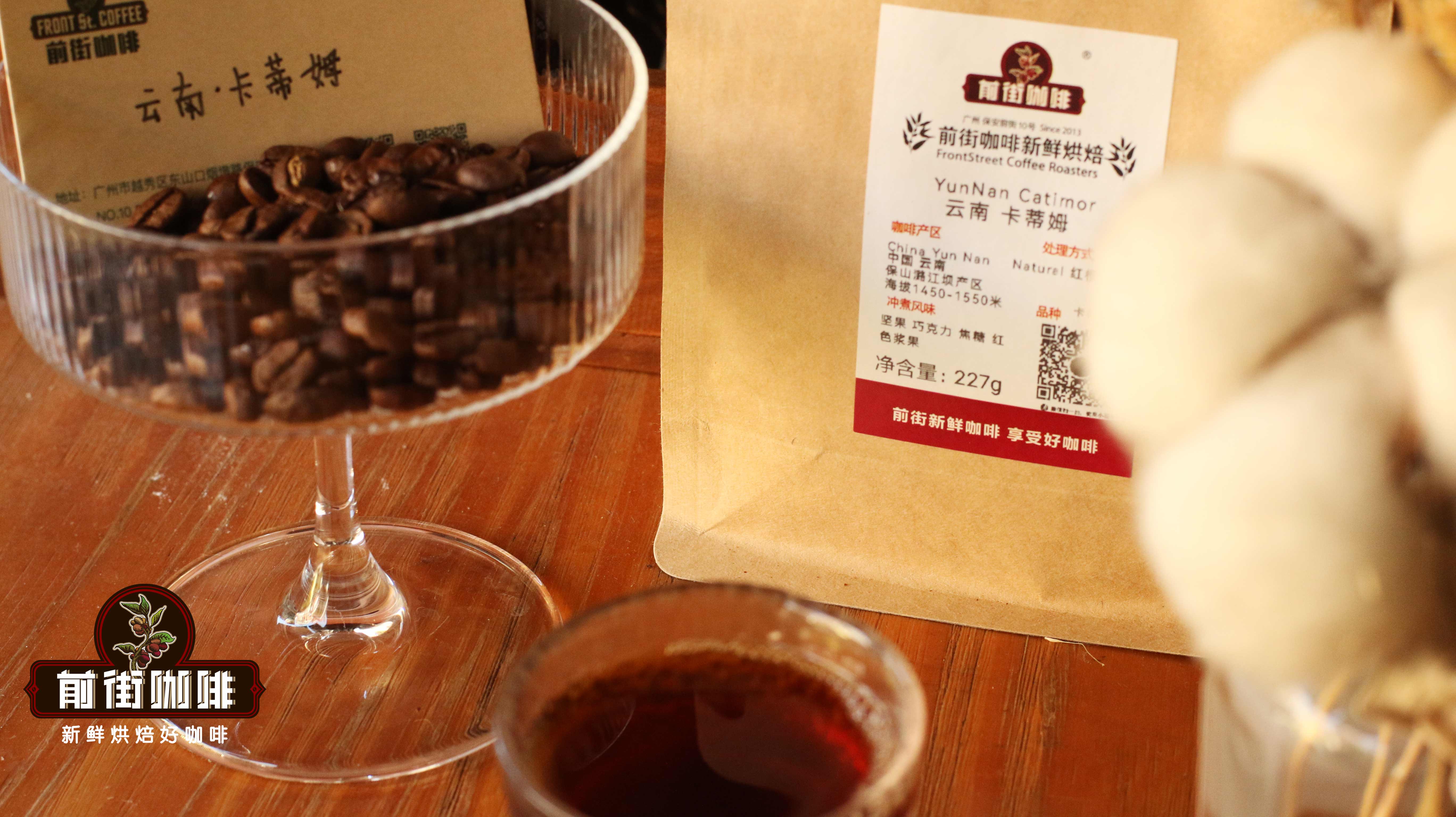
Yunnan, as the core coffee-growing region in China, nurtures small-bean coffee that is rich but not bitter, aromatic but not harsh, with a slight fruity note, thanks to its low latitude, high altitude, and abundant rainfall. The most common variety on the market is Catimor, but a small amount of Typica is still grown—for example, Front Street Coffee's estate in Lincang cultivates Typica. This article systematically reviews the variety classification, morphological characteristics, main producing regions, processing methods, and brewing parameters of Yunnan coffee, and includes flavor descriptions of Front Street Coffee's washed Yunnan small-bean, natural Catimor, and 2013 natural Typica, helping enthusiasts gain a comprehensive understanding of Yunnan coffee's past and present. [more…]

Sidamo Natural Diamond Coffee Beans | What Are the Cultivation Characteristics of Ethiopian Coffee Regions? How Do You Brew Sidamo Guji Hambela Diamond to Bring Out Its Fruity Flavors?
The flavor of Front Street Ethiopian coffee beans is world-renowned for its elegant floral notes, citrus, lemon, and tropical fruit aromas, along with a fruity tea-like mouthfeel. It is often the region of choice for specialty coffee fans, especially Yirgacheffe and Sidama. So in this article, Front Street will introduce you to a famous Ethiopian coffee region—Sidama. [more…]
Ethiopian Coffee Beans | How Many Coffee Regions Are There in Ethiopia? Which Washing Stations and Cooperatives Produce Ethiopian Specialty Coffee?
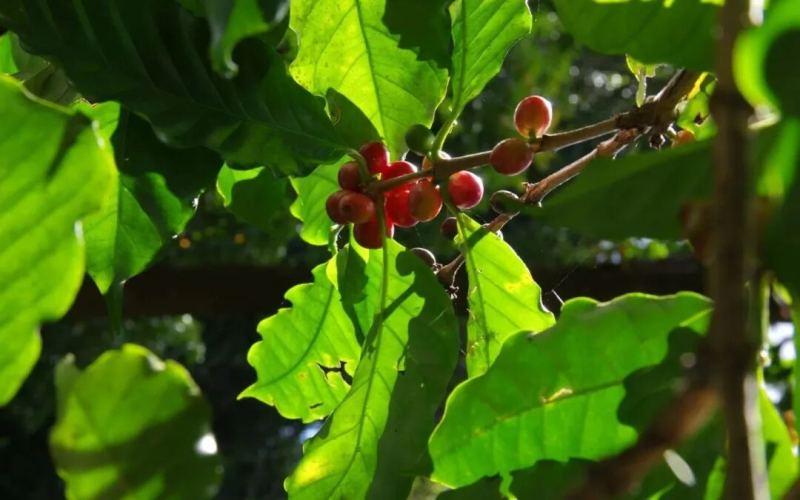
As the birthplace of coffee, Ethiopia has always been a pilgrimage site for many coffee professionals. Many friends who come to Front Street Coffee ask as soon as they walk in whether we have Ethiopian beans, whether we have Yirgacheffe beans. Yes, whether for coffee beginners or coffee connoisseurs, Ethiopian coffee beans have that bright [more…]